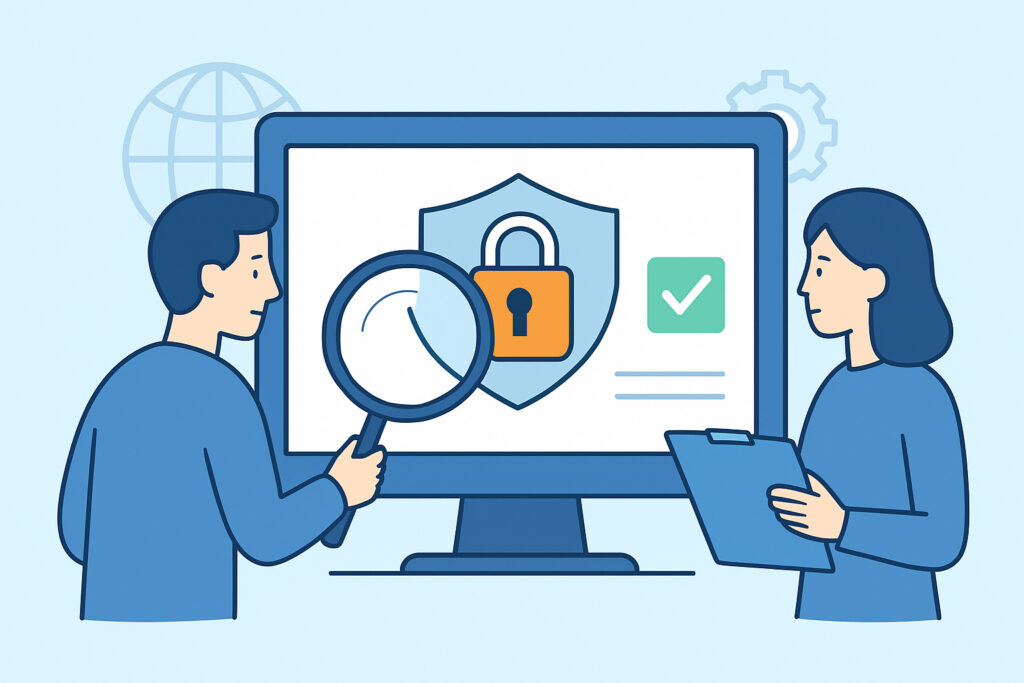
SSL compliance monitoring has become a cornerstone of comprehensive website security and regulatory adherence for businesses across all industries. Whether you operate an e-commerce platform, provide professional services, or manage a content-heavy site, maintaining SSL certificate integrity goes far beyond basic encryption – it directly impacts legal compliance, customer trust, and business continuity.
This article explores how to build a complete SSL compliance monitoring strategy that protects your business from certificate-related compliance failures, security vulnerabilities, and the costly disruptions that follow.
Understanding SSL Compliance Beyond Basic Security
SSL compliance encompasses multiple layers that many organizations overlook. While most businesses understand that SSL certificates encrypt data transmission, the compliance aspect extends into regulatory requirements, industry standards, and legal obligations.
Financial services companies must maintain SSL compliance for PCI DSS requirements. Healthcare organizations need SSL protection for HIPAA compliance. E-commerce businesses require SSL for consumer protection laws and payment processing standards. Even basic business websites face regulatory scrutiny regarding data protection and privacy policy accessibility.
The compliance challenge intensifies when SSL certificates expire unexpectedly. A common scenario involves a certificate renewal that appears successful in the administrative panel but fails to propagate correctly across all server configurations. The website continues functioning for some users while others encounter security warnings, creating an inconsistent compliance posture.
Critical SSL Monitoring Components
Effective SSL compliance monitoring requires tracking multiple certificate attributes simultaneously. Certificate expiration dates represent just one piece of the puzzle.
Certificate chain validation ensures that intermediate certificates remain valid and properly configured. Many compliance failures occur when intermediate certificates expire before the primary certificate, breaking the chain of trust without obvious warning signs.
Cipher strength monitoring verifies that encryption protocols meet current regulatory standards. Organizations often discover during audits that their SSL configuration accepts weak ciphers that regulatory frameworks have deprecated.
Certificate authority validation confirms that certificates originate from trusted sources and maintain their validity status. Certificate revocation can occur suddenly due to security breaches or policy violations at the certificate authority level.
Protocol version monitoring ensures that deprecated SSL/TLS versions remain disabled. Many compliance frameworks explicitly prohibit SSLv3 and early TLS versions due to known vulnerabilities.
Building Automated Detection Systems
Manual SSL certificate checking creates dangerous gaps in compliance coverage. Monthly or quarterly certificate reviews miss critical expiration windows and configuration changes that occur between inspections.
Automated monitoring systems should check certificate status multiple times daily from various geographic locations. Different regions may experience different SSL-related issues due to content delivery network configurations or regional server problems.
Certificate transparency log monitoring provides early warning when new certificates are issued for your domains. Unauthorized certificate issuance can indicate security compromises or administrative errors that require immediate attention.
The monitoring system should track certificate installation dates, expiration dates, and renewal periods across all subdomains and service endpoints. Many organizations maintain certificates for development, staging, and production environments that require coordinated compliance management.
Compliance Integration Strategies
SSL compliance monitoring must integrate with broader website compliance initiatives. SSL certificates directly impact the accessibility and functionality of privacy policies, terms of service, and other legal documents that regulatory frameworks require.
When SSL certificates fail, users may bypass security warnings to access websites, but legal compliance documents become effectively inaccessible due to browser security restrictions. This creates compliance violations that extend beyond technical security into regulatory requirements for document availability.
Cookie consent systems often break when SSL certificates experience problems. The technical implementation of consent mechanisms relies on secure connections, and certificate issues can prevent proper consent recording and management.
Security headers work in conjunction with SSL certificates to provide comprehensive protection. Monitoring systems should verify that HSTS (HTTP Strict Transport Security) headers remain properly configured and that certificate changes don’t break header policies.
Response Protocols and Remediation
Effective SSL compliance monitoring requires predefined response protocols that minimize business disruption while maintaining compliance standards.
Certificate renewal procedures should begin 30-45 days before expiration dates, allowing time for testing, validation, and rollback procedures if problems occur. Emergency renewal processes need different timelines and approval workflows to address critical expiration situations.
Communication protocols should notify technical teams, compliance officers, and business stakeholders according to the severity and timeline of SSL issues. Certificate problems that affect customer-facing services require different notification procedures than internal system certificates.
Testing procedures must verify that new certificates work correctly across all platforms, browsers, and devices that access your services. Mobile applications, API integrations, and third-party service connections often experience different SSL-related issues than standard web browsers.
Common Misconceptions About SSL Monitoring
A widespread misconception suggests that SSL certificate monitoring only matters for e-commerce and financial websites. In reality, any website that collects user data, displays legal documents, or operates under regulatory oversight needs comprehensive SSL compliance monitoring.
Another myth assumes that certificate auto-renewal services eliminate the need for active monitoring. While auto-renewal reduces manual workload, it doesn’t prevent configuration errors, intermediate certificate problems, or certificate authority issues that can cause compliance failures despite successful renewal.
Many organizations believe that browser warnings provide adequate notification of SSL problems. However, compliance violations often occur before users encounter browser warnings, and regulatory frameworks don’t recognize user reports as acceptable monitoring methods.
Integration with Broader Compliance Programs
SSL compliance monitoring works most effectively when integrated with comprehensive website compliance programs. Real-time monitoring systems should coordinate SSL certificate status with privacy policy availability, accessibility compliance, and regulatory document accessibility.
Compliance reporting systems should include SSL certificate status in regular compliance dashboards and audit reports. This integration helps demonstrate to regulators and auditors that your organization maintains comprehensive security and compliance oversight.
Risk assessment procedures should evaluate SSL compliance alongside other website compliance factors to provide complete business risk profiles and inform compliance investment decisions.
Frequently Asked Questions
How often should SSL certificates be monitored for compliance purposes?
SSL certificates should be monitored continuously, with automated checks occurring at least every few hours. Daily monitoring misses critical issues that can develop quickly, while weekly or monthly checks create unacceptable compliance gaps. Certificate expiration, revocation, and configuration problems can emerge suddenly and require immediate attention to maintain compliance standards.
What happens to website compliance when SSL certificates expire unexpectedly?
SSL certificate expiration creates immediate compliance violations across multiple areas. Privacy policies, terms of service, and other regulatory documents become inaccessible due to browser security warnings. Cookie consent systems may malfunction, accessibility features can break, and user data protection becomes compromised. The compliance impact extends far beyond basic security concerns.
Can automated SSL monitoring replace manual certificate management?
Automated SSL monitoring significantly reduces manual workload and catches problems that manual processes miss, but it cannot completely replace human oversight. Technical teams still need to validate certificate renewals, approve configuration changes, and respond to monitoring alerts. The automation handles continuous surveillance and early warning, while humans manage strategic decisions and complex remediation procedures.
SSL compliance monitoring represents a critical foundation for comprehensive website compliance management. Organizations that implement thorough SSL monitoring strategies position themselves to maintain regulatory compliance, protect customer trust, and avoid the costly disruptions that accompany certificate-related failures. The investment in automated monitoring systems pays dividends through reduced compliance risk, improved security posture, and enhanced business continuity.